Dental Implants Pros and Cons: A Clear Guide to a Complex Choice
Replacing a missing tooth is rarely just a cosmetic decision. It can affect chewing, speech, facial balance, confidence, and the long-term health of nearby teeth and bone. That is why discussions about dental implants pros and cons deserve more than a quick list of benefits and drawbacks.
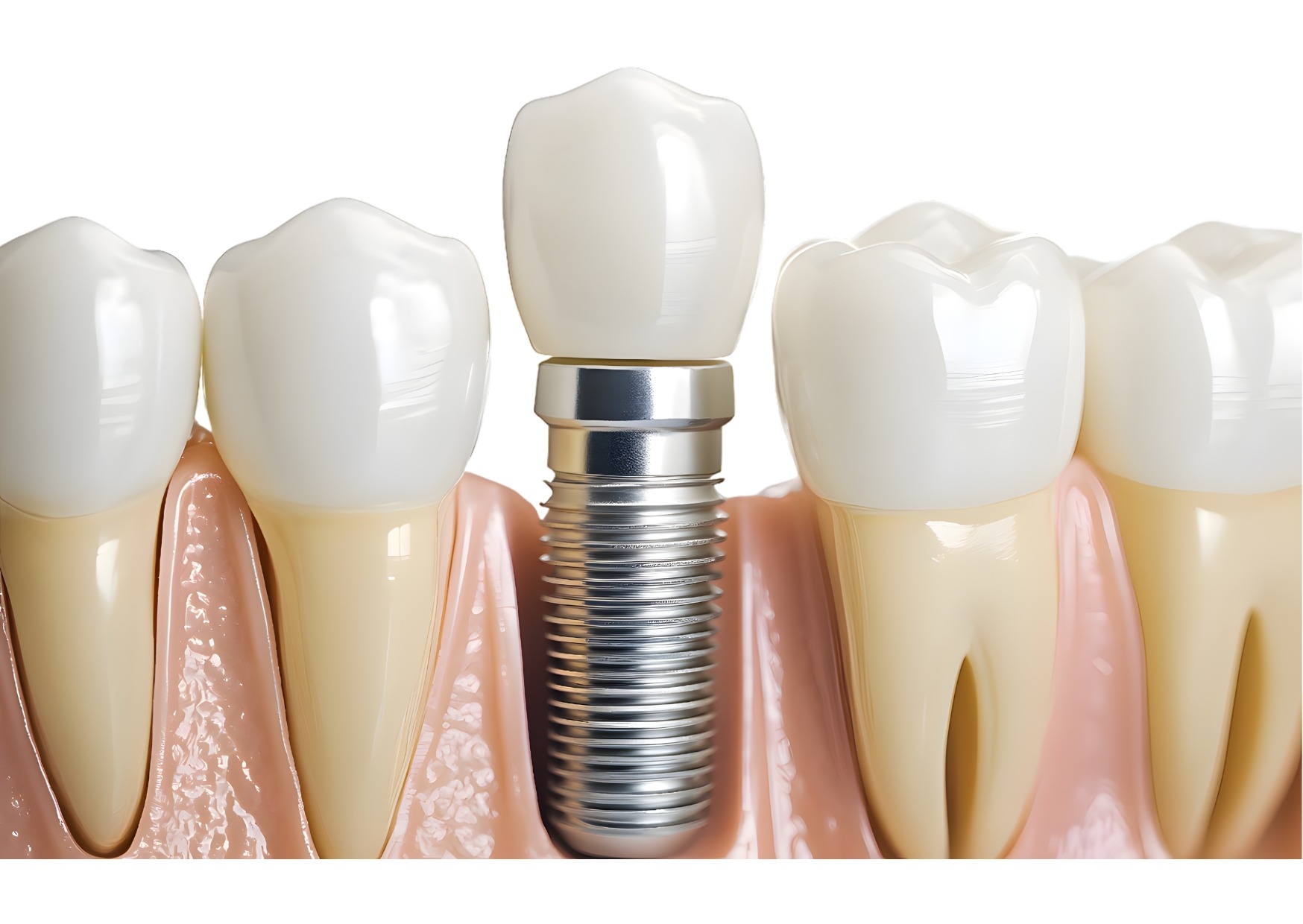
A dental implant is a small titanium or ceramic post placed in the jawbone to support a crown, bridge, or denture. In simple terms, it acts like an artificial tooth root. For many patients, implants offer the most stable and natural-feeling replacement available, but they are not automatically the best choice in every case.
The most responsible way to think about implants is to weigh biology, function, cost, healing time, and personal priorities together. A treatment that looks ideal on paper may be less suitable if gum disease is active, bone volume is limited, or medical factors make healing less predictable. On the other hand, leaving a missing tooth untreated for too long can create its own problems, including drifting teeth and progressive bone loss.
At Emerald Coast Dentistry, patients can discuss candidacy, healing timelines, and comfort options in a calm, patient-focused setting. Our team also welcomes patients from nearby areas who want a clearer understanding of whether dental implants fit their long-term oral health goals.
Why Missing Teeth Become a Bigger Problem Over Time
A single missing tooth can seem manageable at first, especially if it is not visible when smiling. In practice, the mouth often adapts in ways that are not helpful. Nearby teeth may tilt into the space, the opposing tooth may over-erupt, and chewing forces can become uneven.
The jawbone also depends on stimulation from tooth roots. When a tooth is lost, that area of bone may gradually shrink because it is no longer being loaded in the usual way. This process, called bone resorption, means the bone slowly becomes narrower or shorter over time. Research on bone loss after extraction helps explain why timing can matter when planning future implant treatment. That matters because implants need enough healthy bone for stable placement.
This is where the conversation becomes ethical as well as technical. Delaying treatment may be reasonable in some situations, but patients should understand that postponement can reduce future options or make treatment more complex. In many practices, clinicians see patients years after an extraction, when the main challenge is no longer replacing the tooth alone but rebuilding the lost foundation beneath it.
How Dental Implants Work in Everyday Terms
Implant treatment usually happens in stages rather than all at once. First, the implant is placed into the jawbone. Over the following weeks to months, the bone may fuse to the implant surface in a process called osseointegration, which means a direct structural bond forms between bone and implant.
Once healing is adequate, a connector piece and the final restoration are added. That restoration may be a single crown, a bridge replacing several teeth, or a denture secured by implants. The result is often the closest substitute to a natural tooth root currently available in routine dentistry.
This biological integration is the main reason implants can feel more secure than removable options. It is also why treatment planning matters so much. Implant success is not just about placing a post in bone. It depends on bite forces, gum health, bone quality, oral hygiene, and the design of the final restoration.
The Main Advantages Patients Often Notice First
One of the strongest arguments in favor of implants is stability. A well-integrated implant-supported crown does not usually move the way a removable partial denture can. For many patients, that translates into more confident eating and speaking, especially in social or professional settings where looseness or clicking would be distressing.
Another major benefit is that implants typically do not require grinding down neighboring healthy teeth the way a conventional fixed bridge often does. From a conservative dentistry perspective, preserving intact tooth structure is a meaningful advantage. It respects the principle that treatment should solve a problem without creating a larger one elsewhere.
Implants may also help preserve the jawbone in the area of the missing tooth because they transmit force into the bone during function. They do not stop all bone remodeling in every case, but they can reduce the pattern of collapse seen after tooth loss. In visible areas of the mouth, that support may help maintain gum contour and facial symmetry.
Many patients also describe a more natural chewing feel compared with removable appliances. That does not mean an implant is identical to a natural tooth. Natural teeth have a periodontal ligament, a specialized connective tissue that provides shock absorption and sensory feedback, while implants do not. Even so, function and comfort are often excellent when the case is well planned.
The Disadvantages That Matter in Real Life
The most obvious drawback is that implant treatment is a surgical process. Even when surgery is routine and uneventful, some patients are understandably uncomfortable with the idea of drilling into the jawbone. Recovery is often manageable, but it still involves healing time, follow-up visits, and temporary limitations.
Cost is another major factor. Implants usually have a higher upfront price than bridges or removable dentures, particularly if bone grafting, sinus lifting, or multiple restorations are needed. In real-world treatment planning, financial strain can be as important as anatomy. A decision is not truly patient-centered if it ignores affordability.
Time also matters. An implant may take several months from extraction or placement to final crown, especially when the site needs to heal first or the bone quality is less than ideal. Some practices offer immediate protocols in selected cases, but these are not suitable for everyone and should not be treated as a default expectation. If you’re concerned about timing, see our implant treatment timeline for typical stages and milestones.
There are also biological and technical risks. An implant can fail to integrate, become loose, develop surrounding inflammation, or be placed in a position that complicates cleaning or appearance. Implants require long-term maintenance, not just placement. A patient who struggles with oral hygiene, smoking cessation, or regular dental follow-up may face a higher risk of complications.
For patients concerned about anxiety or comfort during surgical steps, sedation dentistry can be discussed as part of the care plan so the procedure is more tolerable.
When the Risks Are Higher Than Average
Not every patient is an ideal implant candidate at the time of consultation. Active gum disease, uncontrolled diabetes, heavy smoking, significant teeth grinding, and poor plaque control can all interfere with healing or long-term stability. These factors do not always rule implants out, but they often change the risk profile.
If gum health is a concern, appropriate gum disease treatment may be needed before implant placement to improve the chance of long-term success.
Low bone volume is another common issue. If the jaw has thinned after tooth loss, additional procedures may be needed to rebuild the site before or during implant placement. This can increase cost, healing time, and complexity. In the upper back jaw, the maxillary sinus may also limit available bone height, which is why some patients require sinus augmentation.
A history of radiation therapy to the jaws, certain antiresorptive medications, or immune compromise may also require careful planning with the dental and medical team. The key point is that candidacy is not simply yes or no. It is often a matter of whether the conditions for safe and predictable treatment can be improved first.
From an ethical standpoint, this is where dentistry is at its best when it resists sales language. A responsible clinician should be willing to say that an implant is possible but not yet advisable, or that an alternative may be safer in the current situation.
Comparing Implants With Bridges and Dentures
Patients rarely ask about implants in isolation. The real question is usually whether implants are better than a bridge or denture for a specific mouth and a specific life situation. The answer depends on what is being replaced, the condition of adjacent teeth, and how much surgery, cost, and maintenance the patient is willing to accept.
Single Missing Tooth
For one missing tooth, an implant often offers the best balance of independence and preservation because it stands on its own. A traditional option is a dental bridge, which can be reasonable, especially if the neighboring teeth already need crowns, but it usually requires preparing those teeth.
Several Missing Teeth
When multiple teeth are missing, implants may support a bridge without replacing every single root. This can be efficient and highly functional, but planning becomes more complex. A removable partial denture may cost less and avoid surgery, though many patients find it less stable and less comfortable over time.
Full-Arch Tooth Loss
For a full arch, implant-supported dentures such as all-on-4 dental implants can dramatically improve retention compared with conventional dentures. However, they involve surgery, higher expense, and ongoing maintenance of attachments or prosthetic components.
| Option | Main Advantages | Main Limitations |
| Implant | Preserves nearby teeth, often feels stable, may help maintain bone | Surgery, higher cost, longer treatment time |
| Fixed bridge | Faster in some cases, no implant surgery | Often requires reshaping adjacent teeth, does not replace the root in bone |
| Removable denture | Lower initial cost, non-surgical in many cases | May move during function, can feel bulky, may accelerate pressure-related tissue changes |
In practice, the best option is often the one that aligns anatomy, risk tolerance, and long-term maintenance capacity. A technically excellent treatment plan can still be the wrong plan if it does not fit the patient’s daily reality.
What Recovery and Long-Term Care Really Involve
Recovery after implant placement is usually straightforward, but it is still a surgical recovery. Mild swelling, tenderness, and temporary changes in chewing are common in the short term. More extensive procedures such as grafting often involve a longer and less predictable healing period.
Long-term care is where many simplified online discussions fall short. Implants do not get cavities, but the surrounding gums and bone can still become inflamed. Peri-implant diseases are an important reason implants need regular maintenance and monitoring. Peri-implant mucositis refers to inflammation of the soft tissue around an implant, while peri-implantitis includes bone loss around the implant. In plain language, an implant can fail because the supporting tissues become diseased even if the implant material itself remains intact.
Daily cleaning, regular professional maintenance, and thoughtful bite management matter. Patients who clench or grind may need protective strategies determined by a dentist. This is one of the most important realities in any honest discussion of dental implants pros and cons. Implants are durable, but they are not maintenance-free replacements that can be ignored once placed.
Warning Signs That Need Prompt Dental Review
Some symptoms deserve faster attention than a routine follow-up. Increasing pain, facial swelling, pus or drainage, fever, a bad taste that persists, or an implant that feels mobile should be evaluated promptly. These signs may indicate infection, failure of integration, or another complication that should not be watched casually at home.
Bleeding gums around an implant, persistent soreness when chewing, or a crown that suddenly feels high or unstable also justify a dental assessment. These issues are not always emergencies, but they can worsen if ignored. If swelling affects swallowing, breathing, or opening the mouth, seek urgent in-person care immediately.
It is also worth noting that symptoms around a missing tooth site do not always come from the same cause. Pain may reflect gum disease, a cracked adjacent tooth, sinus-related pressure in the upper jaw, or bite overload. That is why self-diagnosis is unreliable when symptoms are severe, persistent, or unusual.
A Practical Way to Decide if Implants Are Worth It
A useful framework is to ask five questions. Is the site biologically suitable, or can it be made suitable with reasonable treatment? What functional problem is being solved? What are the realistic alternatives? What will maintenance involve over the next decade, not just the next month? And does the plan fit the patient’s budget and tolerance for surgery?
This kind of structured decision-making is not just practical. It is ethically stronger than marketing-driven treatment selection. Dentistry increasingly has the tools to replace teeth in sophisticated ways, but innovation should serve patient welfare rather than pressure patients toward the most expensive option.
In many cases, implants are the best tooth replacement when conditions are favorable and expectations are realistic. They are especially compelling when preserving adjacent healthy teeth matters and when stability is a top priority. But the right recommendation is not always the most advanced one. Sometimes the most patient-centered choice is a bridge, a removable option, or a staged plan that improves health first and delays implant placement until the mouth is ready.
Where Implant Care Is Headed Next
Implant dentistry is becoming more precise through digital scans, guided surgery, and improved restorative design. These tools can reduce guesswork and help clinicians plan around nerves, sinuses, and cosmetic contours with greater accuracy. New biomaterials and surface technologies may also support more predictable healing in selected cases.
Still, technology does not replace judgment. The future of patient-centered care will depend less on whether a clinic owns advanced equipment and more on whether treatment planning remains transparent, individualized, and biologically respectful. Better dentistry is not simply faster dentistry.
For patients weighing dental implants pros and cons, that is the most important perspective to keep. The goal is not to choose the most modern-sounding treatment. The goal is to choose the replacement strategy that is safest, functional, sustainable, and genuinely appropriate for the person living with it every day.
If you are ready to explore whether dental implants are the right solution for your smile, contact Emerald Coast Dentistry today at (850) 863-1722 to schedule a personalized consultation. Our Fort Walton Beach team is here to help you understand your options, restore function and confidence, and create a treatment plan tailored to your long-term oral health needs.
FAQs
Are dental implants better than bridges?
Often, but not always. Implants may be preferable when the neighboring teeth are healthy and should be preserved. A bridge may still be a sound option if adjacent teeth already need crowns or if surgery is not desirable.
How long do dental implants last?
Many implants function for years or decades, but longevity depends on bone support, gum health, bite forces, smoking status, and maintenance. No restoration should be described as permanent without qualification. Read more about realistic expectations in our article on how long implants last.
Is getting an implant painful?
Discomfort during and after treatment is usually manageable, but the experience varies by case and by whether grafting or extraction is involved. A dentist can explain what is typical for the specific procedure being considered.
Can anyone get dental implants?
No. Some patients need gum treatment, bone grafting, medical review, or behavior changes such as improved oral hygiene before implants become a safer option.
What is the biggest downside of dental implants?
For many patients, the biggest drawbacks are cost, surgery, and the time required for healing. In higher-risk cases, the possibility of complications or failure is also a significant concern.