The Cost of Dental Implants: What Patients Are Really Paying For
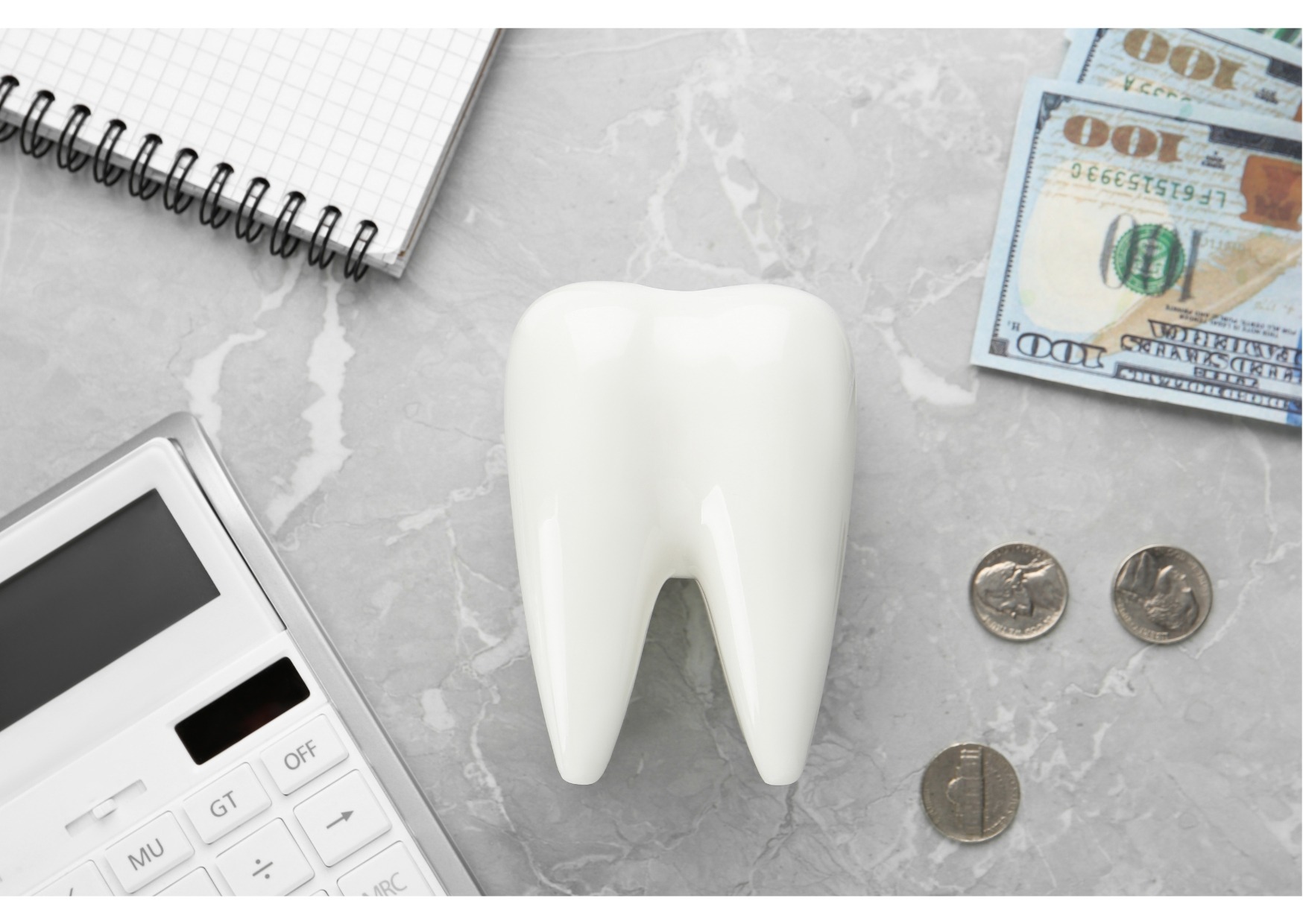
Losing a tooth is not only a cosmetic concern. It can change how chewing feels, affect speech, and gradually alter the bone and gum tissue that support the rest of the mouth. That is why conversations about the cost of dental implants are rarely just about a single number. They are really about what it takes to replace a missing tooth in a way that is stable, functional, and biologically compatible with the jaw.
Dental implants are often described as artificial tooth roots. In simple terms, an implant is usually a small titanium or ceramic post placed in the jawbone, where it bonds with bone through a process called osseointegration. That bond is what makes implants different from removable options. The price reflects more than the visible tooth. It often includes planning, surgery, healing, restoration, and long-term maintenance.
One of the biggest challenges in implant pricing is that patients are sometimes shown a headline fee without enough context. A lower quote may exclude imaging, bone grafting, the abutment, the crown, or follow-up visits. A higher quote may actually reflect a more complete and safer treatment pathway. Understanding what is included matters more than comparing numbers in isolation.
At Emerald Coast Dentistry, patients considering dental implants can receive a detailed evaluation focused on both function and long-term oral health. Our team works with individuals from across the surrounding areas to explain treatment options, expected timelines, and the factors that may influence the overall cost of dental implants.
Why Implant Costs Vary So Much
There is no universal flat fee for implants because no two mouths present exactly the same clinical situation. The final cost may depend on the number of missing teeth, the condition of the jawbone, the health of the gums, the location of the implant, the materials used, and the experience of the treating team.
A front tooth implant may require more detailed aesthetic planning than a molar implant because the gum line and smile symmetry are more visible. A back tooth may involve heavier bite forces and different restorative choices. If bone volume is limited, additional procedures such as grafting may be needed to create a stable foundation. These steps can increase cost, but they may also improve safety and long-term predictability.
Geography also matters. Fees in a major city practice, a specialist surgical office, or a multidisciplinary clinic are often different from fees in a smaller community. Laboratory costs, imaging technology, sterilization standards, and staff training all contribute. Price variation is not automatically a sign of overcharging or undercharging. It often reflects differences in complexity, infrastructure, and scope of care.
What Is Usually Included in the Total Price
When patients ask about implant cost, the most useful question is often, “What exactly does this estimate cover?” A complete implant case may include several distinct components, each with its own fee.
Common cost elements include:
| Treatment Component | What It Means for Patients |
| Consultation and examination | Review of dental and medical history, oral exam, and discussion of options |
| Diagnostic imaging | X-rays or 3D imaging to assess bone, nerves, sinus position, and planning needs |
| Tooth removal if needed | Extraction of a damaged or non-restorable tooth before implant placement |
| implant placement surgery | Insertion of the implant into the jawbone |
| Bone grafting or site development | Procedures used when the jaw needs more support for an implant |
| Healing phase | Time for the implant to integrate with bone before the final tooth is attached |
| Abutment | The connector piece between the implant and the crown |
| Crown, bridge, or denture attachment | The visible replacement tooth or teeth |
| Follow-up visits | Monitoring healing, checking bite, and reviewing home care |
Some clinics bundle these items into one fee, while others separate them. That difference can make one estimate look cheaper at first glance. Patients should also ask whether sedation, temporary teeth, soft tissue grafting, or emergency visits are included, because these can affect the total significantly.
Common Implant Scenarios and How Costs Change
A single missing tooth is often the scenario patients imagine first. In that case, the total cost may include the implant, the abutment, and the crown, along with imaging and surgical visits. If the neighboring teeth are healthy, this approach can preserve them because it usually does not require reshaping adjacent teeth the way a traditional bridge often does.
Replacing several missing teeth can be approached in different ways. Sometimes each tooth does not need its own implant. A short span may be restored with an implant-supported bridge, where a few implants support multiple teeth. This can change the total investment and may reduce the number of surgeries, but the design depends on bone support, bite forces, and cleaning access.
For patients missing all teeth in an arch, treatment may range from an implant-retained denture to a more fixed full-arch restoration, such as all-on-4 implants. These plans can differ dramatically in cost because they vary in the number of implants, the materials used, the complexity of surgery, and the type of final prosthesis. A removable option may be less expensive initially, while a fixed option may offer a different feel and function.
The key point is that implant treatment is not one product. It is a category of solutions. A quote only becomes meaningful when it is tied to a specific diagnosis, anatomy, and long-term treatment goal.
Bone, Gums, and The Hidden Biology Behind The Price
One reason implant treatment can become more expensive is that the visible gap in the smile may hide deeper structural problems. After a tooth is lost, the jawbone in that area often begins to shrink over time. Gum tissue may also thin or recede. If an implant is placed without enough healthy support, the result may be less stable, less aesthetic, or harder to clean.
Bone grafting is one example. A graft is material placed to help rebuild or preserve bone where support is limited. Patients sometimes see this as an add-on, but in many cases it is part of creating the conditions for a safer and more durable result. Sinus lift procedures in the upper back jaw are another example when the sinus space leaves limited bone height for implants.
Gum health matters just as much. Active periodontal disease, which is gum infection that damages the supporting tissues of teeth, should usually be treated before implant placement. Ignoring inflammation to keep costs down may lead to a more expensive and ethically troubling outcome later. In healthcare, the cheapest path upfront is not always the least costly over time. For details on warning signs and treatment of gum disease, see our gum health for implants guide.
When A Lower Price May Not Mean Better Value
It is reasonable to compare prices. It is also reasonable to ask why one office charges more than another. Still, a very low quote deserves careful scrutiny.
Important questions to ask include:
- Is the quoted fee for the full treatment or only the surgical implant?
- Are the abutment and crown included?
- Is 3D imaging part of the plan?
- Who performs the surgery, and who makes the final restoration?
- What happens if grafting or extra visits become necessary?
- Are follow-up appointments and adjustments included?
- What type of implant system and laboratory materials are being used?
A low fee may reflect limited planning, lower-cost components, outsourced laboratory work of variable quality, or exclusion of essential steps. That does not mean every affordable option is poor. It means patients should compare value, completeness, and clinical reasoning, not just a headline number.
Ethical implant care should also be transparent about uncertainty. Good clinicians explain what is known, what may change after imaging or surgery, and what alternatives exist. That kind of honesty is often a better sign of quality than a sales-style discount.
Dental Implants vs. Bridges and Dentures
Implants are often more expensive upfront than bridges or removable dentures. That is one reason many patients weigh alternatives carefully. The right choice depends on oral health, budget, anatomy, and expectations.
A Bridge
A traditional bridge, as discussed in dental bridges, uses neighboring teeth as support for a replacement tooth between them. It may cost less initially than an implant, and treatment is often faster. However, it usually requires preparation of adjacent teeth, which may be a drawback if those teeth are healthy.
A Removable Denture or Partial Denture
A removable option is often the lowest-cost way to replace missing teeth. It can restore appearance and some chewing function, but it may feel less stable and may place pressure on the gums. Some patients do very well with removable prostheses, while others struggle with movement, sore spots, or reduced confidence when eating.
An Implant
An implant may help preserve bone in the area of the missing tooth and can function more like an independent replacement. It usually costs more at the beginning, but for some patients it offers advantages in comfort, chewing efficiency, and maintenance of surrounding teeth. That does not make it automatically the best option. It makes it one option whose value depends on the clinical picture and the patient’s priorities. Evidence on long-term survival helps explain why some patients view implants as a longer-range investment rather than only a higher upfront fee.
A responsible treatment discussion should include these tradeoffs openly. Dentistry should not frame affordability as failure. It should help patients choose the safest realistic option for their situation.
Insurance, Financing, and The Real Cost Over Time
Insurance coverage for implants varies widely. Some dental plans contribute to parts of treatment, such as extractions, crowns, or dentures, while offering limited or no coverage for the implant itself. Medical insurance may occasionally be relevant in complex reconstructive cases, but that is not the norm for routine tooth replacement.
Patients should ask for a written treatment estimate and a breakdown of expected out-of-pocket costs. It is also worth asking whether fees are staged over time, since implant treatment often occurs in phases rather than one visit. A phased plan can make treatment easier to manage financially. For more detail on typical staging and timelines, see our implant procedure timeline.
Long-term cost matters too. Implants are not maintenance-free. They need regular examinations, professional cleaning, and good daily home care. The crown or denture attachment may eventually need repair or replacement. A bridge or denture also has maintenance costs, so the fairest comparison is not just the fee on day one.
It is the likely cost of function, upkeep, and complications over years. For more on durability and expected lifespan, see our implant lifespan article.
Safety, Complications, and When to Seek Prompt Care
Most implant treatment proceeds without major problems when planning is careful and aftercare is appropriate. Mild swelling, soreness, and temporary discomfort after surgery can be expected. Still, patients should know that complications can occur.
Potential problems may include infection, delayed healing, implant movement before integration, nerve irritation, sinus issues in upper jaw cases, bite problems, or inflammation around the implant. Inflammation around implants is often called peri-implant disease. In simple terms, this means irritation or infection of the gum and bone around the implant, and it can threaten long-term stability if not addressed.
Urgent red flags include increasing swelling after the first few days, fever, pus, persistent bleeding, severe pain that is worsening rather than improving, a loose implant or restoration, trouble swallowing, or numbness that does not settle as expected. These symptoms do not always mean a serious complication, but they do justify prompt contact with a dentist or oral surgeon. If you are experiencing severe or worsening symptoms, contact our emergency dentistry team for timely care.
General education cannot replace personalized advice. Anyone with severe symptoms, a complex medical history, or uncertain healing should seek direct professional evaluation rather than relying on online guidance.
How To Judge Whether You Are A Good Candidate

Many adults can be candidates for implants, but suitability is not based on age alone. The more important factors are bone support, gum health, bite forces, oral hygiene, and general medical stability. Conditions such as uncontrolled diabetes, heavy smoking, active gum disease, or medications that affect bone healing may complicate treatment and sometimes increase cost because planning becomes more cautious and involved.
A thorough assessment should include a review of medical history, current medications, and habits such as clenching or grinding. Some patients also need coordination between a general dentist, periodontist, prosthodontist, or oral surgeon. That team-based approach may increase fees, but it can also improve decision-making in difficult cases.
There is an ethical dimension here that deserves attention. Not every patient who wants an implant should receive one immediately. Sometimes the most responsible plan is to treat gum disease first, improve home care, stop smoking, or choose a different replacement option. Good dentistry is not just about what can be done. It is about what should be done in a way that respects long-term health.
A Smarter Way To Think About Implant Costs
A useful way to evaluate implant cost is to think in layers. First, ask whether the diagnosis is clear. Second, ask whether the treatment plan is biologically sound for the bone, gums, and bite. Third, ask whether the estimate is complete and transparent. Fourth, ask how the plan will be maintained over time.
This framework shifts the conversation away from shopping for a single object. An implant is not like buying a standard appliance off a shelf. It is a staged healthcare intervention with surgical, restorative, and preventive components. The best value usually comes from a plan that is well diagnosed, realistically priced, and designed for long-term maintenance.
Looking ahead, patient-centered implant care is likely to become more precise through digital planning, guided surgery, and improved restorative materials. These innovations may improve efficiency and predictability, but they should not replace ethical communication. Technology is most useful when it helps patients understand options clearly, avoid unnecessary treatment, and make decisions that fit both health needs and financial reality.
Do not let missing teeth continue to affect your comfort, confidence, or long-term oral health. Schedule a dental implant consultation with Emerald Coast Dentistry in Fort Walton Beach, FL, to get a personalized treatment plan and clear breakdown of your options and costs. Whether you are replacing one tooth or exploring full-mouth restoration, we’re ready to help you take the next step toward a healthier, more functional smile. Call (850) 863-1722 today to book your appointment.
FAQs
Why are dental implants so expensive?
Implants involve more than one procedure. The cost often reflects diagnostics, surgical placement, healing time, the final crown or denture attachment, materials, laboratory work, and follow-up care.
Is the quoted implant fee usually the full price?
Not always. Some quotes include only the implant surgery, while others include the abutment, crown, imaging, and review visits. Ask for a written breakdown.
Are implants worth the cost?
They may be worth it for many patients, especially when preserving nearby teeth and restoring chewing function are priorities. Whether they are worth the investment depends on oral health, anatomy, budget, and treatment goals.
What is cheaper than a dental implant?
A removable partial denture or a traditional bridge may cost less upfront. However, the lower initial price does not always mean lower long-term cost or better function.
Can I get an implant if I have bone loss?
Possibly. Some patients can still have implant treatment with site development such as bone grafting, but suitability depends on imaging, anatomy, and overall health.
When should I call the dentist after implant surgery?
Call promptly if there is worsening pain, increasing swelling, fever, pus, persistent bleeding, a loose implant, or other symptoms that feel severe or unusual.