Periodontal Scaling and Root Planing
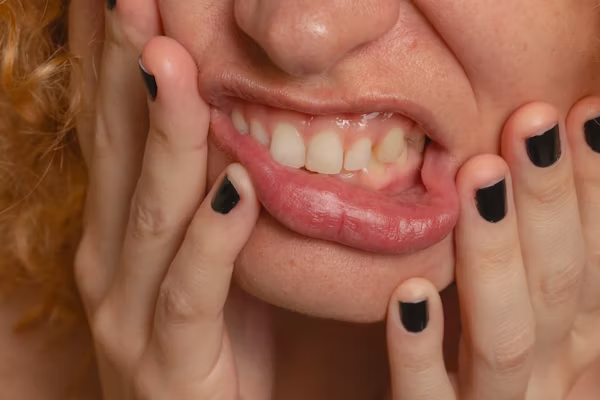
Gum disease is more common than most people realize, and it often goes unnoticed until symptoms begin to interfere with daily comfort—bleeding during brushing, persistent bad breath, or gums that look more inflamed than usual.
When these signs start appearing, your dentist may recommend periodontal scaling and root planing. While the name may sound a bit clinical, this treatment is a highly effective and widely used treatment designed specifically to restore gum health and prevent more serious complications.
At Emerald Coast Dentistry, dental experts with extensive experience in periodontal care make this process as gentle and comfortable as possible. Whether you’re dealing with early gum inflammation or more advanced periodontal issues, understanding this treatment is the first step toward regaining a healthy, confident smile.
Understanding Gum Disease
Differences Between Gingivitis and Periodontitis
Gingivitis is the earliest stage of gum disease—characterized by mild inflammation, redness, and bleeding. Periodontitis, however, is the advanced stage involving bone loss, gum recession, and structural damage to the tissues supporting your teeth.
How Plaque Turns Into Hardened Tartar
Plaque forms naturally each day, but when it’s not removed promptly, it hardens into tartar (calculus). This hardened buildup clings to teeth and gums and cannot be removed by brushing alone.
The Role of Bacteria in Gum Inflammation
Bacteria in plaque release toxins that irritate the gums. Over time, this irritation leads to inflammation, pocket formation, and tissue damage.
What Is Periodontal Scaling and Root Planing?
Periodontal scaling and root planing, commonly known as deep cleaning, targets areas beneath the gumline that regular cleanings cannot reach.
Deep Cleaning Below the Gumline
This treatment removes bacterial buildup, plaque, and tartar from deep periodontal pockets.
How It Differs From Routine Dental Cleaning
Routine dental cleaning focuses on visible tooth surfaces, while deep cleaning addresses the roots where gum disease develops.
Goals of the Treatment
- Reduce inflammation
- Minimize gum pocket depth
- Promote gum reattachment
- Protect against future bone loss
Periodontal Scaling Explained
Removing Plaque and Tartar From Root Surfaces
Scaling removes harmful buildup from below the gumline where bacteria thrive.
Hand Instruments vs. Ultrasonic Scalers
- Hand tools: provide precise cleaning
- Ultrasonic tools: break down tartar with vibration
Most dentists combine both for optimal results.
Importance of Thorough Debridement
Complete cleaning ensures inflammation subsides and healing begins properly.
Root Planing Explained
Smoothing Rough Root Surfaces
The roots are smoothed to discourage bacterial growth.
Encouraging Gum Reattachment
Smoother roots allow gums to reattach more easily.
Reducing Future Bacterial Colonization
By eliminating roughness, bacteria have fewer places to hide.
Signs You May Need Scaling and Root Planing
Bleeding or Swollen Gums
Persistent bleeding is often the first indicator of gum disease.
Persistent Bad Breath
Bacteria responsible for gum infections also produce foul odors.
Gum Recession or Loose Teeth
Receding gums or mobility suggest advancing periodontal disease.
Diagnostic Steps Before Treatment
Periodontal Charting
Dentists document the health of each gum pocket around your teeth.
Gum Pocket Measurements
Pockets deeper than 4mm may require deep cleaning.
X-Rays to Detect Bone Loss
X-rays help assess the extent of underlying bone damage.
Step-by-Step Treatment Process
Performed gently and effectively by the team at Emerald Coast Dentistry.
Numbing and Comfort Options
Local anesthesia ensures your comfort throughout the treatment.
Scaling Phase
Your dentist removes tartar deposits from above and below the gumline.
Root Planing Phase
The roots are carefully smoothed to encourage proper healing.
Post-Treatment Rinse and Polishing
A soothing rinse and polish promote freshness and comfort.
How Long the Treatment Takes
Time Required Per Quadrant
Each of the four mouth quadrants typically takes 45–60 minutes.
One-Visit vs. Two-Visit Treatment Plans
Deep cleaning may be completed in one extended visit or split into multiple appointments.
Factors That Influence Total Time
- Gum pocket depth
- Severity of tartar buildup
- Patient comfort
- Sensitivity levels
Pain and Sensitivity Expectations
What to Expect During the Treatment
Anesthetics prevent pain, though you may feel mild pressure.
Common Sensitivity After Treatment
Temporary cold sensitivity is normal and usually subsides quickly.
Tips for Managing Discomfort at Home
- Use desensitizing toothpaste
- Rinse with warm salt water
- Avoid very hot or cold foods
Healing After Scaling and Root Planing
Gum Tissue Reattachment
Clean roots encourage gums to naturally reattach.
Reduced Inflammation
Redness and puffiness usually begin improving within days.
Signs of Normal Healing
- Less bleeding
- Improved breath
- Healthier gum color
Home Care After Deep Cleaning
Gentle Brushing and Flossing
Maintain softness and caution while gums heal.
Antibacterial Mouth Rinses
These help control bacteria during recovery.
Foods to Avoid Immediately After Treatment
- Hard or crunchy foods
- Spicy dishes
- Extremely hot beverages
Medications That May Be Prescribed
Antibiotic Gels and Irrigation
These are applied directly into periodontal pockets when needed.
Oral Antibiotics for Severe Cases
May be prescribed for widespread infection.
Anti-Inflammatory Medication
Helps reduce discomfort and swelling.
Benefits of Scaling and Root Planing
Stops Gum Disease Progression
Halts the infection before it worsens.
Reduces Risk of Tooth Loss
Preserves the supporting structures of your teeth.
Improves Breath and Overall Oral Health
A cleaner mouth equals fresher breath and stronger gums.
Risks and Possible Complications
Temporary Gum Tenderness
Mild tenderness is part of the healing process.
Minor Bleeding
Slight bleeding may occur as tissues recover.
Rare Infection Risks
Following post-care guidelines keeps risks low.
Periodontal Maintenance After Treatment
3–4 Month Cleaning Intervals
Deep cleanings are often followed by more frequent maintenance.
Monitoring Gum Pocket Depth
Dentists track improvements over time.
Preventing Reoccurrence of Gum Disease
Good hygiene and routine visits help maintain results.
What Happens If Gum Disease Is Not Treated?
Bone Loss Around Teeth
Untreated inflammation can cause irreversible damage.
Tooth Mobility and Tooth Loss
As support structures weaken, teeth may loosen or fall out.
Increased Risk of Systemic Health Issues
Gum disease has been linked to diabetes complications, heart disease, and stroke.
Scaling and Root Planing vs. Other Treatments
Deep Cleaning vs. Standard Cleaning
Deep cleaning targets areas regular cleaning cannot reach.
Deep Cleaning vs. Laser Therapy
Laser therapy can support treatment but typically cannot replace deep cleaning.
When Surgery Becomes Necessary
Advanced periodontitis may require surgical intervention.
Deep Cleaning for Severe Gum Disease
When Pockets Exceed 6mm
Severe pockets often require more extensive deep cleaning.
Combination Therapy With Medications
Antibiotics may enhance healing in advanced cases.
Follow-Up and Reevaluation Timeline
The dentist reassesses healing after 4–6 weeks.
Cost of Scaling and Root Planing
Average Cost Per Quadrant
Usually ranges from $150–$400 depending on severity.
Insurance Coverage Information
Many plans cover deep cleanings either partially or in full.
Why Early Treatment Saves Money Long-Term
Managing gum disease early prevents costly future treatments.
How to Prevent Needing Future Deep Cleanings
Daily Oral Hygiene
Consistent brushing and flossing remain your best defense.
Diet and Lifestyle Adjustments
Limit sugary foods and consider quitting smoking to improve gum health.
Regular Professional Exams
Routine visits catch problems early.
Scaling and Root Planing for Special Populations
Older Adults
Gum recession and dry mouth increase risk.
Diabetic Patients
Blood sugar control directly affects gum health.
Patients With Weak Immune Systems
More frequent checkups may be necessary.
Emerald Coast Dentistry: Experts in Gum Disease Treatment
If you’re seeking top-rated, compassionate dental care in Fort Walton Beach, FL, look no further than Emerald Coast Dentistry, home to our Dr. Erin B. Sutton, DMD, and Dr. Thomas L. Hills, DMD.
Located at 931 Marwalt Dr, Fort Walton Beach, FL 32547, our patients choose us for exceptional periodontal expertise, a comfortable, anxiety-friendly environment, and personalized care for you, including families and special-needs patients.
We utilize advanced technology and modern treatment options, and you can visit us Monday and Wednesday from 8 AM–4 PM, and Tuesday and Thursday from 7 AM–4 PM. Want healthier gums and a confident smile? Call us today to schedule your appointment.
Conclusion
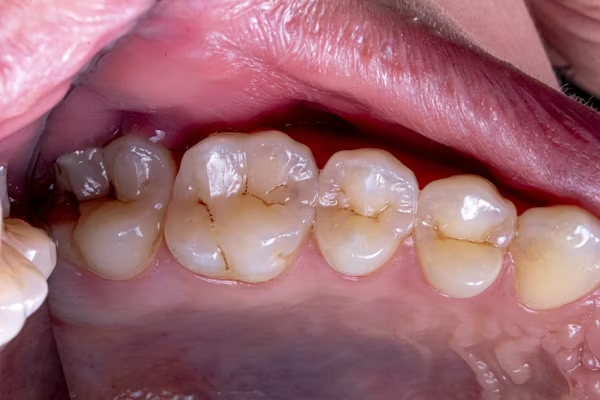
Gum disease may be common, but it is also highly treatable. With periodontal scaling and root planing, patients can stop disease progression, ease discomfort, and protect their long-term oral health.
Understanding the treatment helps remove uncertainty—and choosing an experienced dental team ensures the best possible outcome.
Emerald Coast Dentistry is proud to offer gentle, effective periodontal care for patients of all ages. If you’re noticing symptoms of gum disease, early action makes all the difference.
Frequently Asked Questions
How long does recovery take?
Most recovery happens within one to two weeks, depending on gum pocket depth.
Will deep cleaning fix the gum recession?
Deep cleaning stabilizes gum disease but does not restore lost gum tissue.
How often should I get periodontal maintenance?
Typically every 3–4 months, depending on your gum health.
How does Emerald Coast Dentistry treat advanced gum disease?
We use a combination of deep cleaning, antibacterial therapy, maintenance visits, and specialist referrals when necessary.