Dental Fillings: What To Expect

Tooth decay remains one of the most common oral health concerns worldwide—yet it is also one of the most treatable.
With modern advancements in restorative dentistry, dental fillings provide a reliable, conservative solution for repairing damaged teeth and preserving natural structure. When addressed early, a cavity can be resolved quickly, comfortably, and effectively—preventing more complex procedures in the future.
Let us explore how Emerald Coast Dentistry’s dental fillings work, when they are needed, and how they protect your long-term oral health.
What Are Dental Fillings?
Dental fillings are restorative materials used to repair teeth affected by decay, fractures, or minor structural damage.
When bacteria penetrate the enamel and create a cavity, the compromised portion of the tooth must be removed and replaced with a durable material. The filling restores strength, function, and appearance while sealing the area from further bacterial invasion.
In many ways, a filling acts as a structural reinforcement—similar to repairing a weakened foundation before it jeopardizes the entire building.
Purpose of a Filling
The primary purposes of a filling include:
- Eliminating decay and infection
- Restoring chewing function
- Preventing further deterioration
- Maintaining the natural shape of the tooth
Without treatment, even a small cavity can progress deeper into the tooth, potentially reaching the pulp and requiring more extensive intervention.
How Fillings Restore Tooth Structure
Once decay is removed, the filling material is placed into the prepared space and shaped to match the tooth’s natural contours. This restoration stabilizes the tooth and allows it to withstand normal biting forces. Modern materials bond securely to enamel, creating a tight seal that protects against future decay.
When Do You Need a Dental Filling?
Many patients assume that cavities always cause immediate pain. However, early-stage decay may not produce noticeable symptoms. Routine examinations are essential for identifying issues before discomfort develops.
Emerald Coast Dentistry emphasizes preventive care because early detection allows for simpler, more conservative treatment.
Signs of Tooth Decay
You may need a filling if you notice:
- Sensitivity to hot, cold, or sweet foods
- Pain when chewing
- Visible discoloration or dark spots
- Persistent toothache
- Rough or chipped surfaces
If you experience any of these symptoms, prompt evaluation is recommended.
Cracked or Chipped Teeth
Minor fractures can expose inner tooth layers to bacteria. Even if the damage appears cosmetic, restoring the area with a filling may prevent complications.
Replacing Old or Worn Fillings
Over time, fillings can deteriorate due to wear, temperature changes, or grinding. Replacing compromised restorations protects the underlying tooth and prevents secondary decay.
Types of Dental Fillings
Several filling materials are available, each offering distinct advantages.
Composite (Tooth-Colored) Fillings
Composite fillings are made from a resin material designed to match the natural color of your teeth. They bond directly to enamel, require minimal removal of healthy tooth structure, and provide an aesthetically pleasing result.
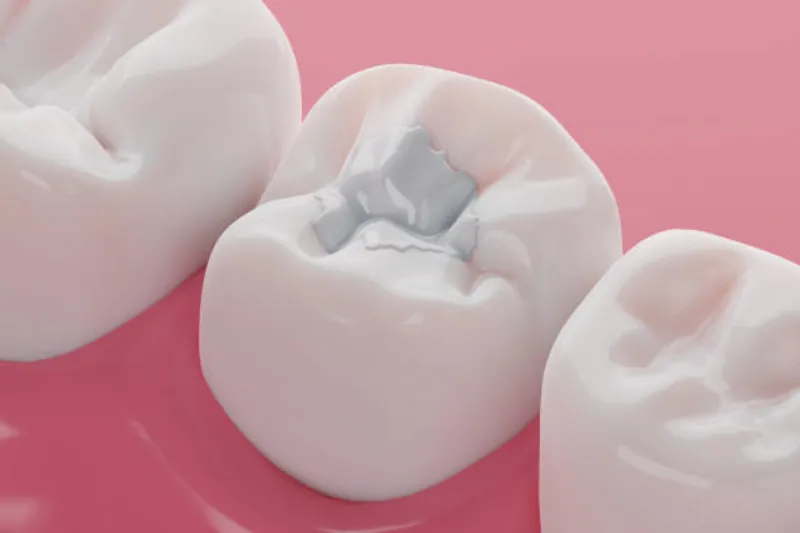
Amalgam (Silver) Fillings
Amalgam fillings are composed of a durable metal alloy. Although less commonly used for visible areas today, they remain highly effective for restoring molars that endure significant chewing pressure.
Ceramic Fillings
Ceramic restorations are fabricated from porcelain materials that closely mimic natural enamel. They resist staining and offer excellent durability.
Gold Fillings
Gold fillings are known for exceptional longevity and strength. While less common due to cost and appearance, they can last decades when properly maintained.
| Filling Type | Appearance | Durability | Ideal Placement |
| Composite | Tooth-colored | Moderate to High | Front and small-to-mid cavities |
| Amalgam | Silver | High | Back molars |
| Ceramic | Natural enamel-like | High | Visible teeth |
| Gold | Metallic | Very High | Long-term restorations |
Composite Fillings Explained
Composite materials have become one of the most widely selected restorative options.
Benefits of Tooth-Colored Restorations
Composite fillings offer:
- Natural appearance
- Conservative tooth preparation
- Immediate hardening with curing light
- Strong bonding capability
Because they blend seamlessly with surrounding enamel, they are particularly suitable for visible teeth.
Best Uses for Composite Materials
Dentists often recommend composites for:
- Small to medium cavities
- Repairing chipped teeth
- Cosmetic reshaping
Longevity and Care
With consistent oral hygiene and regular checkups, composite fillings typically last between 7 and 10 years. Avoiding excessive grinding and maintaining a balanced diet further extends their lifespan.
Amalgam Fillings Explained
Amalgam has been used in dentistry for more than a century.
Strength and Durability
These fillings withstand heavy biting forces and can last 10 to 15 years or longer.
Pros and Cons
Advantages:
- Cost-effective
- Highly durable
Considerations:
- Noticeable metallic appearance
- Slight expansion and contraction over time
When They May Be Recommended
Amalgam is often recommended for large cavities in posterior teeth where strength is the primary concern.
Ceramic and Gold Fillings
For patients seeking enhanced durability or aesthetics, ceramic and gold options may be discussed.
Aesthetic Advantages of Ceramic
Ceramic restorations closely replicate the translucency of natural enamel. They resist staining and maintain their appearance over time.
Long-Term Durability of Gold
Gold is exceptionally durable and biocompatible. Although more visible, it can last 20 years or more with proper care.
Cost Considerations
While ceramic and gold fillings involve higher initial investment, their longevity may offset replacement costs over time.
The Dental Filling Treatment
Understanding the treatment process often reduces anxiety.
- Numbing the Area: Local anesthesia is administered to ensure comfort throughout the procedure.
- Removing Decay: The dentist carefully removes decayed tissue while preserving as much healthy structure as possible.
- Placing and Shaping the Filling: The chosen material is placed in layers, shaped to match the tooth’s anatomy, and hardened as needed.
- Polishing and Bite Adjustment
Finally, the filling is polished and adjusted to ensure a natural bite alignment.
How Long Does a Filling Appointment Take?
Most filling appointments require 30 to 60 minutes per tooth.
- Simple vs. Complex Cavities: Smaller cavities require less preparation time, while deeper decay demands meticulous care.
- Multiple Fillings in One Visit: When appropriate, multiple fillings may be completed during a single appointment.
Does Getting a Filling Hurt?
Modern dentistry prioritizes patient comfort.
- Use of Local Anesthesia: Anesthesia prevents pain during the procedure.
- What to Expect During Treatment: Patients may feel mild pressure or vibration but should not experience sharp discomfort.
Aftercare for Dental Fillings
Post-treatment care supports long-term success.
- Eating and Drinking Guidelines: Avoid chewing on the treated side until numbness subsides.
- Managing Temporary Sensitivity: Temporary sensitivity to temperature is common and typically resolves within days.
- Oral Hygiene Recommendations: Brush twice daily, floss regularly, and schedule routine examinations.
How Long Do Dental Fillings Last?
Durability varies based on material and oral habits.
- Lifespan of Composite Fillings: Approximately 7–10 years.
- Lifespan of Amalgam Fillings: Approximately 10–15 years or longer.
Factors That Affect Durability
- Oral hygiene consistency
- Teeth grinding
- Dietary habits
- Regular professional evaluations
Replacing Old or Failing Fillings
Timely replacement prevents further complications.
Signs a Filling Needs Replacement
- Pain when chewing
- Visible cracks
- Dark margins around the restoration
Preventing Further Tooth Damage
Addressing failing restorations early reduces the likelihood of root canal therapy or extraction.
Dental Fillings vs. Other Restorations
Not every damaged tooth is treated the same way.
Fillings vs. Crowns
Fillings repair smaller areas, while crowns cover and protect extensively damaged teeth.
Fillings vs. Inlays and Onlays
Inlays and onlays are laboratory-crafted restorations used when damage exceeds what a filling can support but does not require a full crown. At Emerald Coast Dentistry, treatment recommendations focus on preserving natural tooth structure whenever possible.
Preventing Cavities After a Filling
Restorative care works best when paired with prevention.
- Brushing and Flossing Daily: Consistent oral hygiene disrupts bacterial buildup.
- Limiting Sugary Foods: Reducing sugar intake minimizes acid production that weakens enamel.
- Routine Dental Checkups: Regular visits to Emerald Coast Dentistry in Fort Walton Beach ensure early detection of potential issues and long-term oral health stability.
Fillings for Children and Teens
Children and adolescents are particularly susceptible to cavities due to developing brushing habits and dietary choices.
- Early Detection of Cavities: Routine examinations identify decay before it progresses.
- Tooth-Colored Options for Young Patients: Composite fillings provide durable, natural-looking restorations ideal for growing smiles.
Emerald Coast Dentistry: Modern, Natural-Looking Dental Fillings
Good day, and welcome to Emerald Coast Dentistry. At the practice of Dr. Erin B. Sutton, DMD and Thomas L. Hills, DMD, patient comfort and quality care remain the highest priorities. Located at 931 Marwalt Dr, Fort Walton Beach, FL 32547, United States, we provide compassionate dental services in a welcoming environment.
We are open Mondays and Wednesdays from 8 AM to 4 PM, and Tuesdays and Thursdays from 7 AM to 4 PM. Whether you experience dental anxiety or have children with special needs, our team is committed to making every visit relaxed and supportive.
To join our dental family in Fort Walton Beach, contact the office to schedule an appointment.
Conclusion
Dental fillings remain one of the most effective and conservative solutions for restoring teeth affected by decay or minor damage. By removing compromised tissue and reinforcing the tooth with durable materials, this treatment protects oral health and preserves natural function.
Early intervention not only prevents discomfort but also reduces the likelihood of more extensive procedures in the future. At Emerald Coast Dentistry in Fort Walton Beach, FL, restorative treatments are delivered with clinical precision and genuine compassion.
With experienced providers, modern materials, and a patient-focused approach, individuals and families can feel confident that their oral health is in capable hands. Proactive care today lays the foundation for a healthier smile tomorrow.
Frequently Asked Questions
How do I know if I need a filling?
Sensitivity, discomfort when chewing, visible discoloration, or findings during a dental exam may indicate the need for a filling.
Can a filling fall out?
Although uncommon, fillings can loosen due to wear, trauma, or decay beneath the restoration.
How long will my filling last?
Composite fillings typically last 7–10 years, while amalgam restorations may last 10–15 years or longer.
How does Emerald Coast Dentistry ensure comfortable treatment?
The practice emphasizes gentle techniques, clear communication, and a supportive environment to help patients feel relaxed throughout their visit.
Are dental fillings safe?
Yes. Modern filling materials are extensively tested and considered safe and effective for restoring teeth.